
Foreign buyers
Renting vs Buying a House in Bangkok as an Expat
When renting makes more sense, when buying does, and how to compare the numbers fairly as a foreigner in Bangkok.
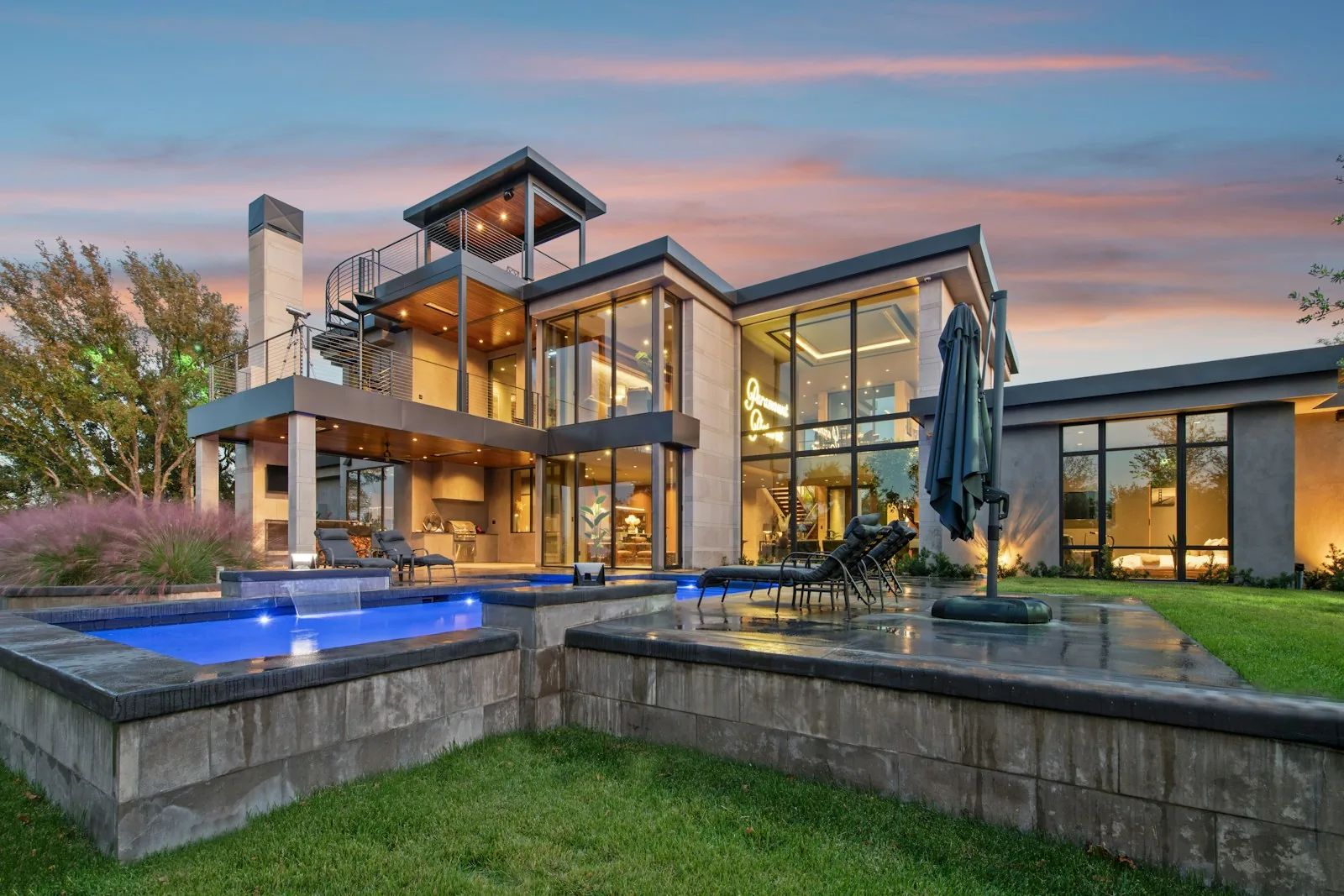
Short answer: for most expats in Bangkok, renting a luxury house makes more sense if you expect to stay less than five to seven years, are not sure which area suits your family, or are not a Thai national. Buying makes more sense for long stays, for families with a Thai spouse who can hold the land, and for buyers who value control over the house more than flexibility. Because foreigners generally cannot own land, buying a house usually means a 30-year lease — which changes the maths compared with buying at home.
Renting vs buying at a glance
| Rent | Buy (Thai spouse or Thai buyer) | Buy (foreigner, leasehold) | |
|---|---|---|---|
| Upfront money | Usually 2–3 months’ deposit + 1 month in advance | Full price or down payment + transfer costs | Full lease price + registration costs |
| Flexibility | High — move when the lease ends | Low | Low; resale market for leaseholds is thin |
| Ownership | None | Freehold land and house | House + registered lease up to 30 years |
| Repairs | Mostly the landlord | You | You |
| Mortgage | — | Available from Thai banks | Limited; most foreign buyers pay cash |
| Best for | Stays under 5–7 years, first years in Bangkok | Long-term family home | Long-term lifestyle, not investment |
The case for renting
You can test the area first
Bangkok neighbourhoods differ enormously in traffic, schools and atmosphere. Renting for a year in, say, Krungthep Kreetha or Ratchaphruek lets you learn the real commute before committing millions.
Your housing allowance may cover it
Many expatriate packages include housing. Using an allowance for a rented house keeps your own capital free.
Less legal complexity
A residential tenancy is far simpler than a purchase through a lease, superficies or a spouse. Read the tenancy agreement carefully, especially the clauses on the deposit, early termination and repairs.
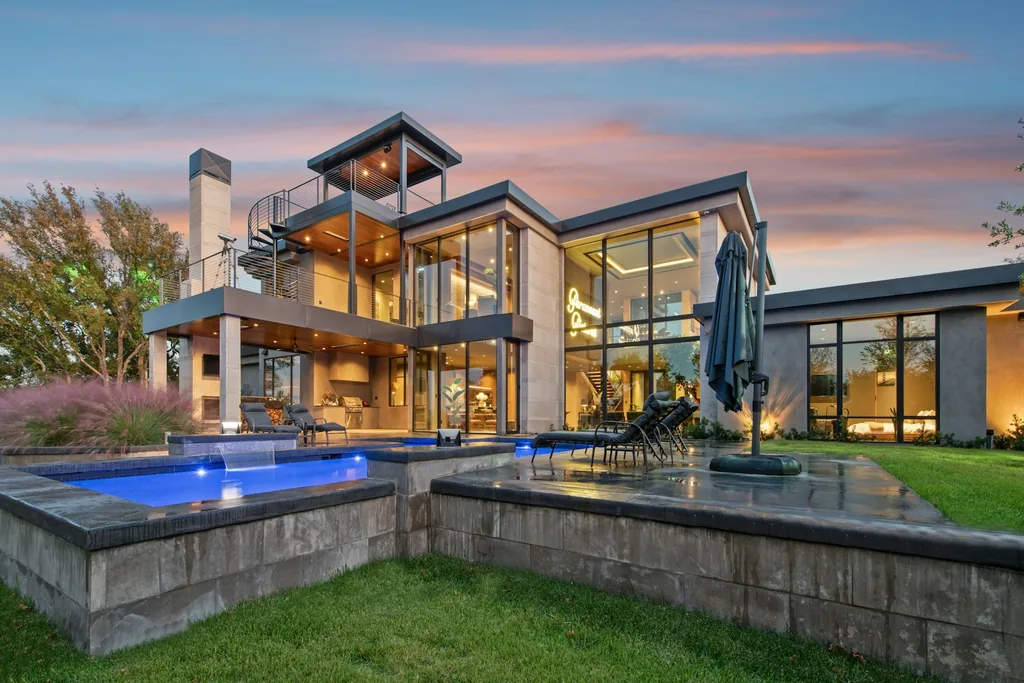
What a Bangkok house lease usually includes
Leases for luxury houses are typically for one year, renewable, and are offered furnished, partly furnished or unfurnished. Corporate tenants often negotiate a diplomatic clause that allows early termination if the employee is transferred out of Thailand, usually with notice. Check who pays for garden and pool maintenance, common fees, and repairs to air-conditioning and appliances, and agree an inventory with photos at check-in so the deposit can be returned without dispute.
The case for buying
Long stays
If you plan to stay ten years or more, owning removes the risk of a landlord selling or not renewing, and lets you fit out the house exactly as you want.
A Thai spouse can hold the land
A Thai national can own the land freehold, which keeps the property’s long-term value. See buying with a Thai spouse.
New houses and developer promotions
New estates offer modern layouts, security and facilities that are hard to find in older rental stock, and developers sometimes include furniture packages or absorb transfer fees.
A simple way to compare the numbers
Compare what you would pay in rent over your expected stay with what owning really costs over the same period. For owning, include:
- Transfer-day costs and fit-out (see our cost guide)
- Common fees, maintenance and insurance every year
- The return your money could earn elsewhere
- The likely resale value when you leave — and how long selling might take
For a foreign leasehold buyer, also deduct the fact that the lease is shorter when you sell. A lease with 20 years left is worth noticeably less than one with 30.
Example (illustrative assumptions only)
| Assumption | Figure |
|---|---|
| House price | THB 30 million |
| Comparable rent | THB 120,000 per month |
| Rent over 5 years | THB 7.2 million |
| Buying costs, fit-out and fees over 5 years | Roughly THB 4–5 million before any change in value, excluding interest and the return your money could earn elsewhere |
In this example buying looks cheaper on paper, but the result depends entirely on resale price, how quickly you can sell and, for foreigners, the lease structure. Run your own numbers with real quotes before deciding.
Our recommendation
- New to Bangkok? Rent first for 12–24 months in the area you are considering.
- Staying long term with a Thai spouse? Buying freehold is usually worth exploring.
- Foreign buyer without a Thai spouse? Buy for lifestyle, not as an investment, and price the house as a 30-year right.
Related: can foreigners buy a house in Thailand? · best areas for a luxury house.
Sources
- Civil and Commercial Code, provisions on hire of property (lease)
- Department of Lands — registration of leases: dol.go.th
Frequently asked questions
Is it better to rent or buy a house in Bangkok?
Renting usually suits stays under five to seven years or buyers unsure about the area. Buying suits long stays, especially when a Thai spouse can hold the land.
How much deposit do landlords ask for in Bangkok?
Commonly two to three months’ rent as a security deposit plus one month in advance, but terms vary by landlord.
Can foreigners get a mortgage in Thailand?
Options are limited and usually require Thai income and a work permit, so many foreign buyers pay in cash.